
When traveling in most countries, if you ask someone for directions to the nearest coffeeshop, they’ll likely point you towards a cozy cafe where you can enjoy a warm beverage. However, things are a bit different in the Netherlands.
Of course, in the Netherlands, if you ask for directions to a coffee shop, you’ll be directed to a completely different type of establishment - a place where you can buy and consume weed or hash.
The origins of the term “coffeeshop” in Amsterdam can be traced back to the 1970s. Mellow Yellow, a ‘‘coffee house’’, was situated within an antiquated bakery. Customers could drink a cup of coffee. The place was full of dealers, disguised as patrons. They did their business in the lounge. And everyone know this was the main reason for a visit. These early cannabis-selling establishments were often referred to as “tea houses” or “coffee houses,” but the term “coffeeshop” eventually became more popular.
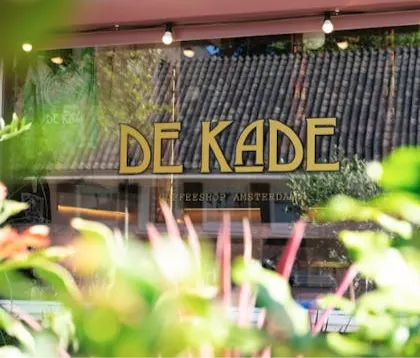
The origins of Amsterdam’s coffeeshops: how a coffee house became the birthplace of legal cannabis sales.
Illegal distribution
Amsterdam’s local government initially attempted to curb the illegal distribution of cannabis within the city, but their efforts proved to be futile. Eventually, they adopted a policy of “tolerance” known as “gedoogbeleid” in Dutch. Mellow Yellow, the pioneer coffee shop, was granted the first license, which many others later followed. These coffee shops were allowed to sell marijuana, even though it was technically against the law, as long as they adhered to strict regulations imposed by the government.
In conclusion, the term “coffeeshop” in Amsterdam is a reference to the early days of cannabis sales and consumption in the city. While the name might seem a bit misleading at first, it has become a well-known and easily recognizable term that has come to be associated with Amsterdam’s unique culture and relaxed attitudes towards cannabis.
Want to know more on the history of coffeeshops in Amsterdam and the Netherlands? Check it out!